
New hope in Huntington's research
Huntington’s disease is an inherited condition marked by worsening co-ordination, involuntary movements and diminishing mental abilities. At UCL, legacy gifts are supporting research leaders in their fight for families affected by this degenerative illness.

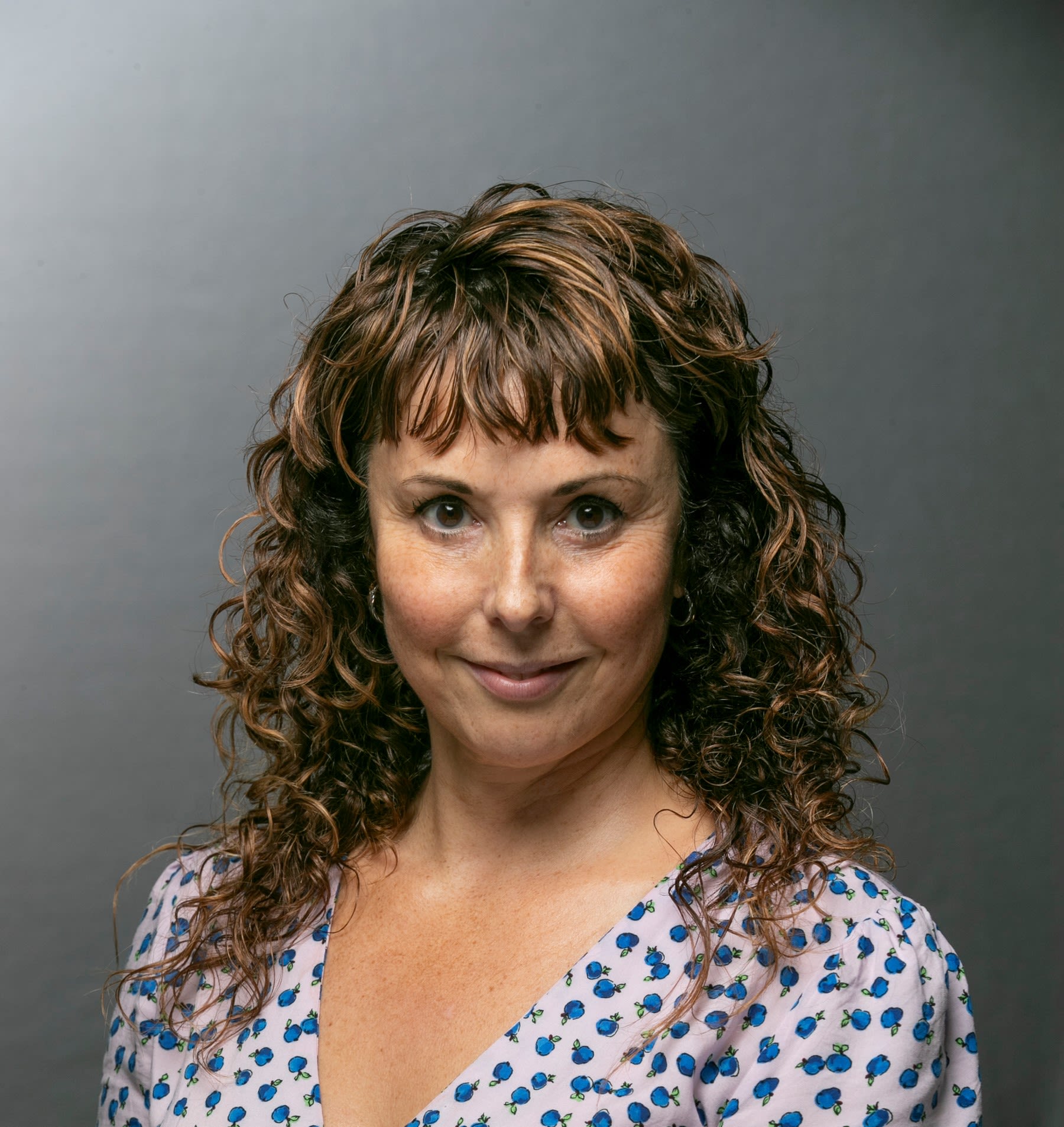
Professor Sarah Tabrizi works at the forefront of research into Huntington’s and leads a comprehensive translational research programme working towards finding effective disease-modifying treatments for the condition.
Now, thanks to a generous gift left by Isabel Walkingshaw to the UCL Queen Square Institute of Neurology, the Tabrizi Laboratory has been able to recruit three talented researchers as part of the Walkingshaw-Hugh Fellowship programme.
The fellowship is named in honour of Isabel and her late husband, Hugh. Isabel was a passionate advocate for women in science and education, and her legacy is helping pave the way for the first in-human trials of new therapies.
Sarah has supervised 17 clinicians and more than 30 doctoral students over the past two decades, so is well-placed to support the Walkingshaw-Hugh Fellows, and to understand the value of this legacy.

“Huntington’s research is not a one-person race,” Sarah says. “To really make a difference to people’s lives, we need to build our research capacity and embrace the power of collaboration across different specialisms. That’s exactly what this gift enables us to do.
“The posts have now been appointed to and I am excited to start working with these extremely bright and diligent young scientists, all of whom have great futures ahead of them.
“Their work in the UCL Huntington’s Disease Centre will cover several different vital research avenues for better informing our understanding of the disease and contributing to our mission of developing disease-modifying therapies."
For Sarah, the receipt of a gift which invests in her team is a deeply significant moment.
“I am absolutely committed to finding a treatment for Huntington's disease,” she adds.
“It is my life’s work. So, for others to see what we are doing here and want to support it even after they have gone means something very special to me.”

“I am delighted to be offered this Walkingshaw-Hugh PhD Fellowship."
"The opportunity to work at the Huntington’s Disease Centre at UCL particularly appealed to me because of its strong focus on the integration of clinical and lab-based research. This ensures that our work remains centred on those we aim to help: individuals with Huntington’s disease and their wider support network.
"Now, through this PhD, I will further investigate use of a new gene-editing technique to try and slow disease progression while also minimising adverse effects. I am excited to have the opportunity to contribute to research in this field and ultimately work towards improving outcomes for people with Huntington’s.”

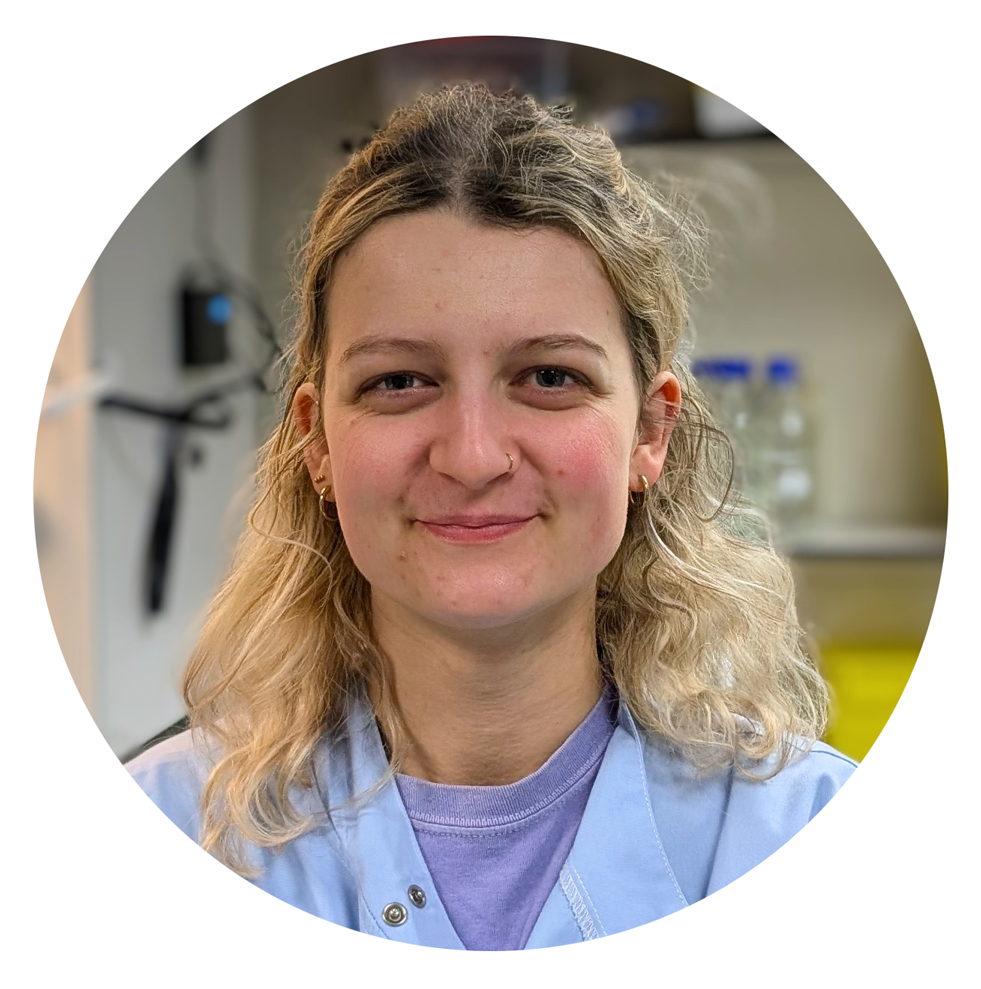
Claire Pimblett
Walkingshaw-Hugh PhD Fellow at the UCL Huntington's Disease Centre

 Built with Shorthand